
Spain is shaped by a mix of cultures, climates, and long-standing food traditions. From the Mediterranean coast to its inland cities and fertile plains, each region has its own distinct flavours, rooted in generations of cooking.
For well over a century, La Española has been part of that story, supplying Extra Virgin Olive Oil to kitchens across Spain. In this guide, we take a look at a handful of regional dishes from Valencia, Madrid, Córdoba, the Andalusian coast, and Jaén — each one reflecting local ingredients and traditional ways of cooking.
Valencia: The Home of Paella
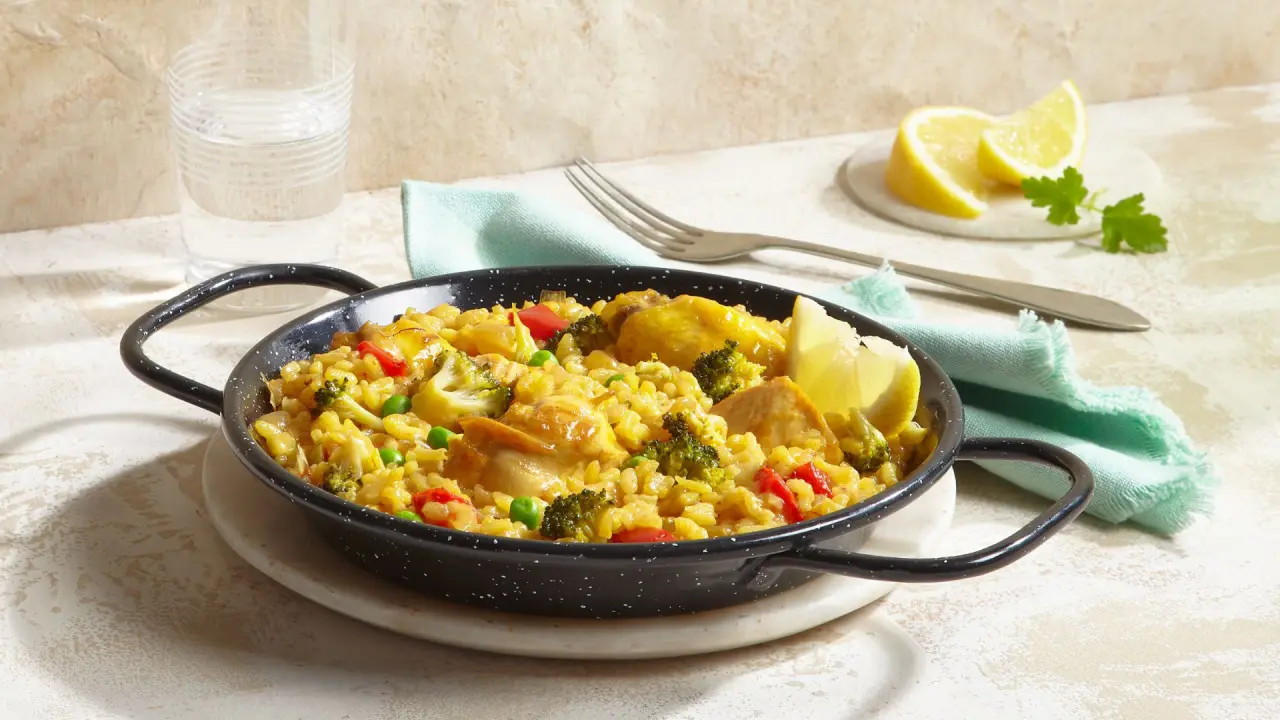
No guide to Spanish food would be complete without paella, and Valencia is where it all began. Our Chicken, Broccoli and Red Pepper Paella offers a colourful take on the classic, combining tender chicken with crisp vegetables and saffron-infused rice, cooked slowly for the best flavour.
If you’d prefer something closer to the coast, our Black Rice Seafood Paella brings in the flavours of the Mediterranean. Made with shellfish and rich, dark rice, it’s a great way to explore Spain’s seafood traditions.
Madrid’s Spicy Favourite
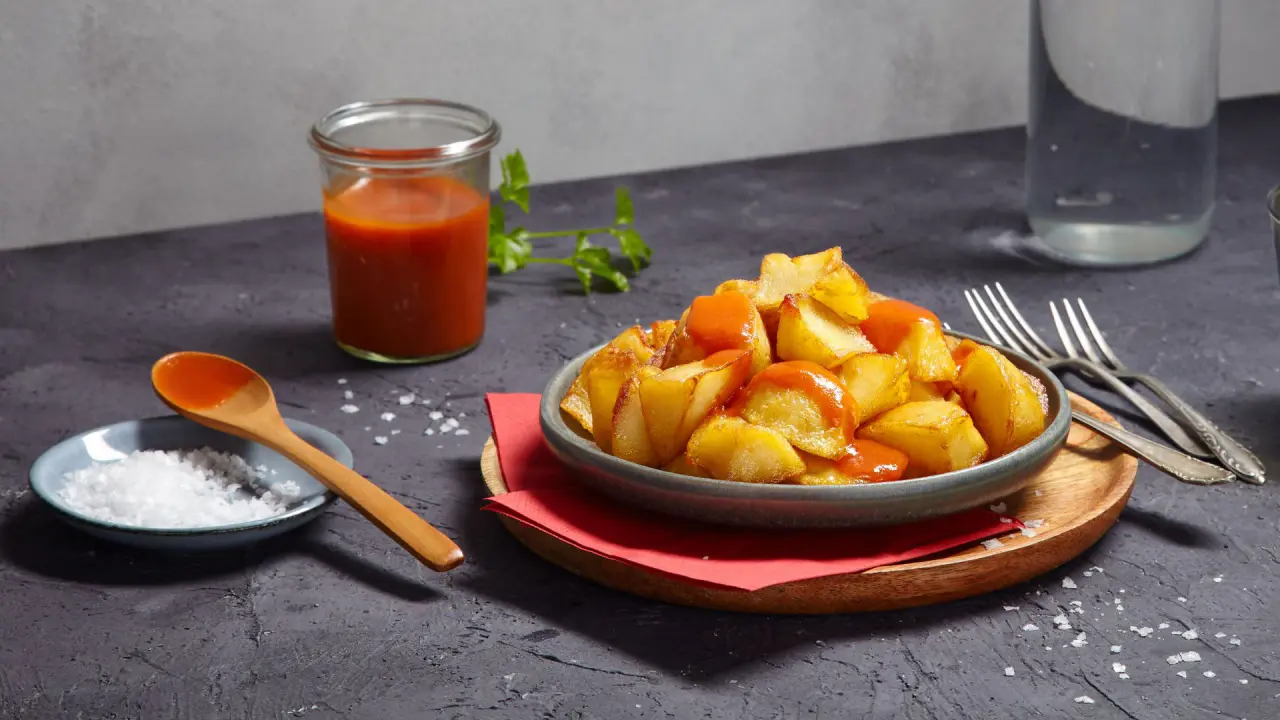
At the centre of Spain sits Madrid — a lively city where traditional comfort food meets a more modern pace of life. One dish you’ll find almost everywhere is Patatas Bravas: crisp fried potatoes served with a bold, slightly spicy sauce.
Our Patatas Bravas with Spicy Sauce highlights this well-loved tapa. The potatoes are fried until golden, then finished with a drizzle of La Española Olive Oil, which adds depth without overpowering the dish. The sauce — typically made with tomato, paprika and chilli — brings warmth and a bit of heat.
In Madrid, patatas bravas are more than just a side. They’re something to share, usually alongside a drink, and very much part of the city’s social food culture.
Córdoba: Salmorejo
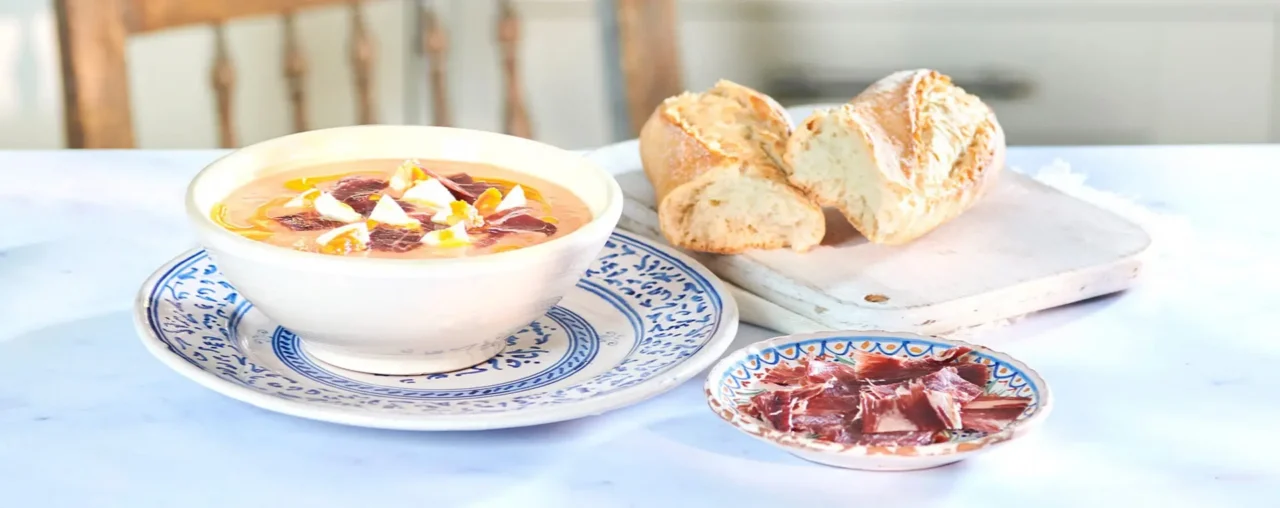
Head south to Córdoba and you’ll come across salmorejo, a cool, creamy tomato soup that’s especially popular in warmer months. Compared to gazpacho, it’s thicker and richer, relying on just a few key ingredients.
Our Authentic Salmorejo keeps things simple: ripe tomatoes, bread, garlic, and extra virgin olive oil blended until smooth. A final drizzle of olive oil adds gloss and depth, while toppings like chopped egg or cured ham bring a bit of texture.
It’s the sort of dish that feels particularly welcome on a hot afternoon — refreshing, but still satisfying.
Andalusian Coast: Tuna with White Beans and Salsa Verde
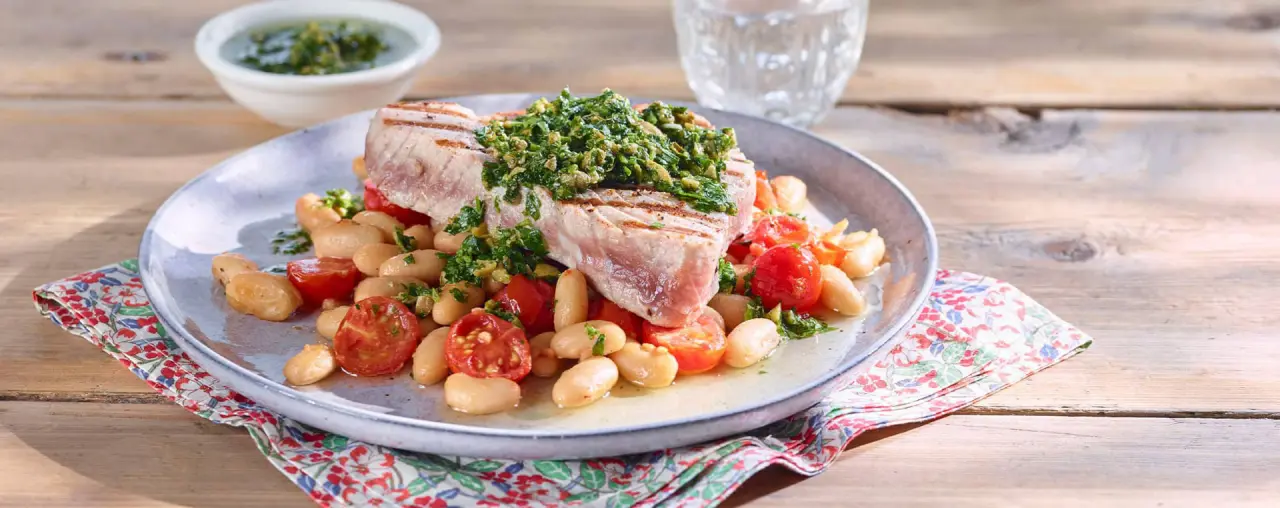
Along the Andalusian coast, seafood plays a central role in everyday cooking. Fresh tuna is especially popular, often served simply to let the quality speak for itself.
In this Tuna Steaks with White Beans and Salsa Verde, seared tuna is paired with creamy white beans and a bright salsa verde made with parsley, garlic, capers, and olive oil. The oil ties everything together, adding richness without heaviness.
It’s a dish that works just as well for a relaxed lunch as it does for a more considered evening meal.
Jaén: The Home of Pipirrana
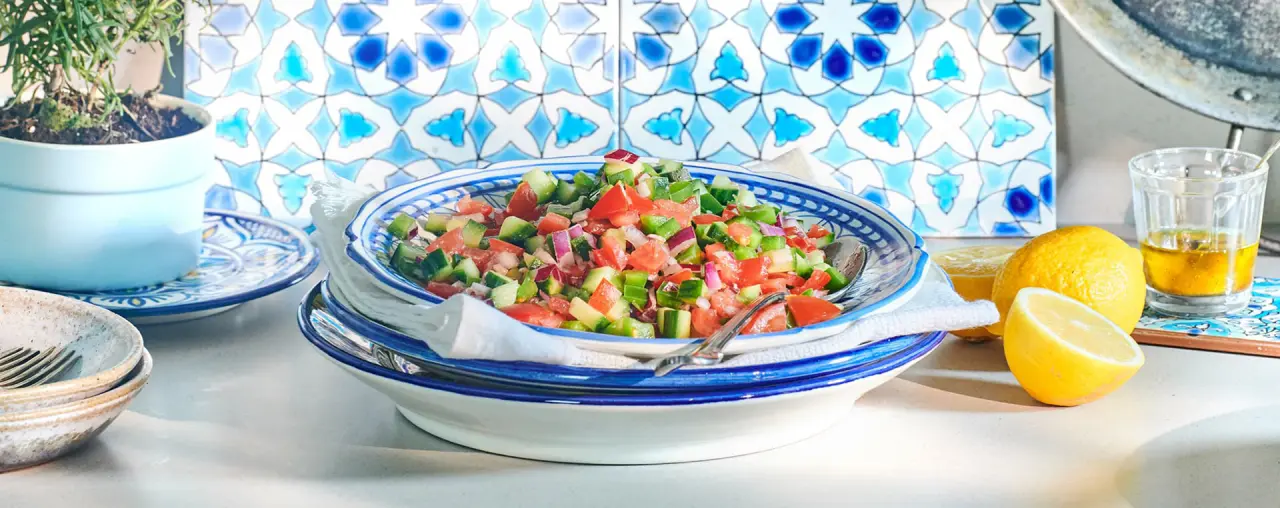
Jaén, in the heart of Andalusia, is known for its olive groves — particularly the picual variety used in many Spanish olive oils. It’s also where you’ll find pipirrana, a simple, refreshing salad.
Our Pipirrana Recipe combines chopped tomatoes, peppers, onions, and cucumber with a light olive oil dressing. It’s straightforward, but that’s the point — the ingredients do the work.
Served chilled, it’s especially good in warmer weather and a nice example of how simple dishes can still be full of flavour.
A Glimpse into Spain’s Regional Cooking
Spain’s regional dishes offer a window into its history, landscape, and way of life. This is just a small selection, but it gives a sense of the variety you’ll find across the country.
For more recipes, tips, and inspiration, take a look through our blog.
Frequently Asked Questions About Spanish Regional Cuisine
What defines Spanish regional cuisine?
Spanish regional cooking is shaped by geography, climate, and cultural influences. Coastal areas tend to focus on seafood and fresh produce, while inland regions lean towards heartier dishes such as meats and stews. In the south, olive oil, tomatoes, and bold flavours feature heavily. Each region has its own distinct dishes, rooted in local tradition.
Why is olive oil so important in Spanish cooking?
Olive oil sits at the heart of Spanish cooking. It’s valued not just for its flavour, but also for its versatility. It’s used in everything from soups and stews to salads and even some desserts. Spain is one of the world’s leading producers, and many of its traditional dishes are built around this staple ingredient.
Are these recipes authentic to their regions?
Yes. Each recipe in this guide is inspired by traditional dishes from its region. While there are always small variations from place to place, the core ingredients and cooking styles remain the same.
Can I make these dishes easily at home?
Most of them, yes. Some recipes, like paella, may take a little practice, but many rely on simple ingredients and straightforward methods. With good produce and quality olive oil, it’s perfectly possible to recreate these flavours at home.
What should I serve with these regional dishes?
They pair well with simple sides such as crusty bread, olives, and Manchego cheese, along with a glass of Rioja or Albariño if you like. A light salad or some fresh fruit also works nicely alongside richer dishes.