
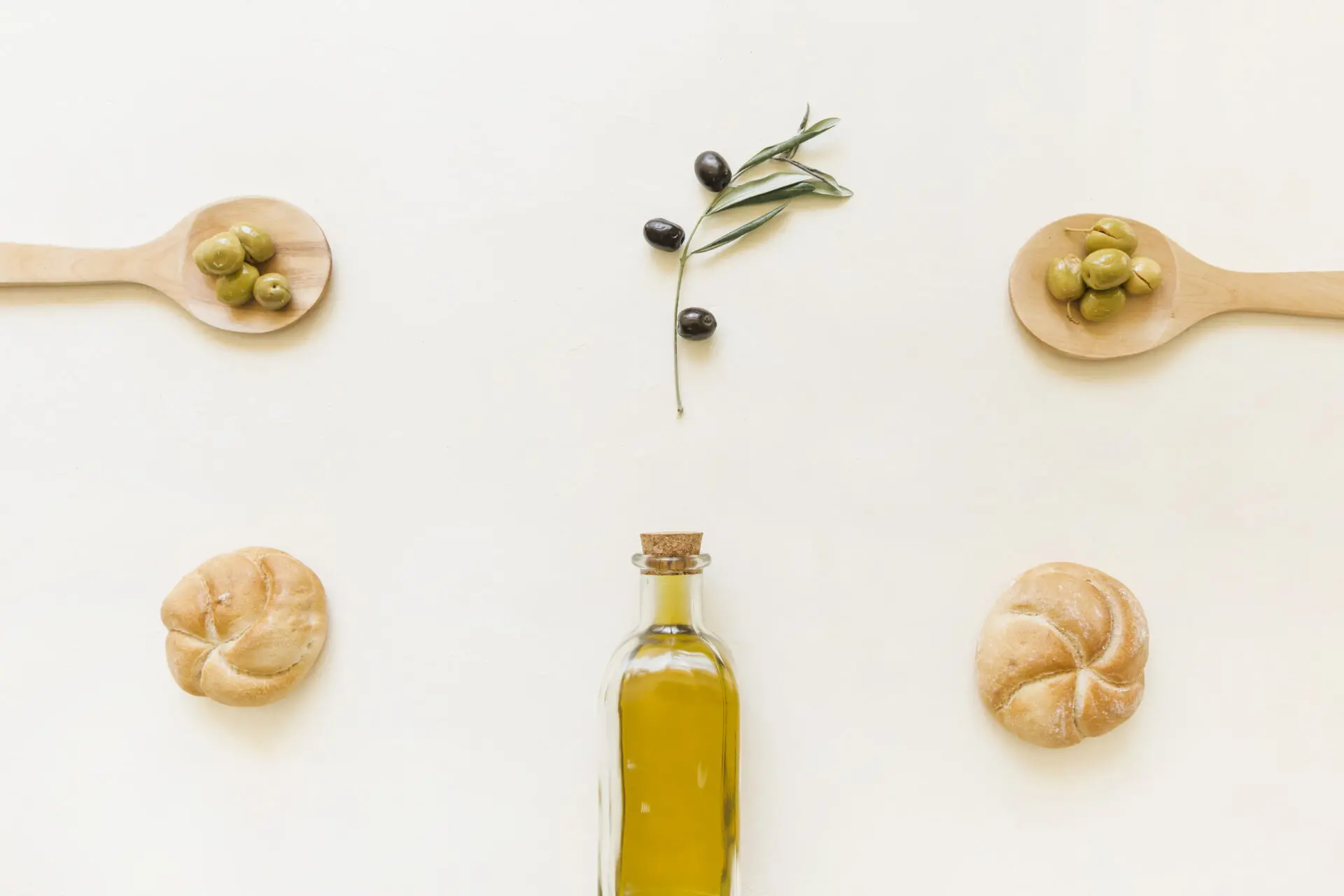
Olive Oil and Sustainability: A Natural Partnership
As conversations around sustainability continue to grow, the foods we choose — and how they’re produced — matter more than ever. Olive oil, long valued for its flavour and health benefits, is also increasingly recognised for its role in supporting a more sustainable way of eating. From the way olive trees interact with the land to the environmentally conscious practices adopted by modern producers, olive oil stands out as a versatile ingredient with genuine eco credentials.
Origins of Olive Oil
Ever wondered where olive oil comes from? A cornerstone of Mediterranean cooking, its history stretches back thousands of years. Archaeological evidence suggests olive cultivation began some 6,000–7,000 years ago, before spreading across the region and becoming deeply rooted in the cultures of ancient Greece and, later, Rome.
Olive oil was far more than a cooking ingredient. It was used in medicine, religious rituals, cosmetics, and even as fuel for lamps. This long-standing cultural importance helped shape what we now know as the Mediterranean diet, making olive oil one of the world’s oldest — and most cherished — agricultural products.
Today, a wider understanding of its health and environmental benefits has brought olive oil back into the spotlight, with its sustainability as a crop placing it firmly at the heart of modern food conversations.
The Natural Sustainability of Olive Trees
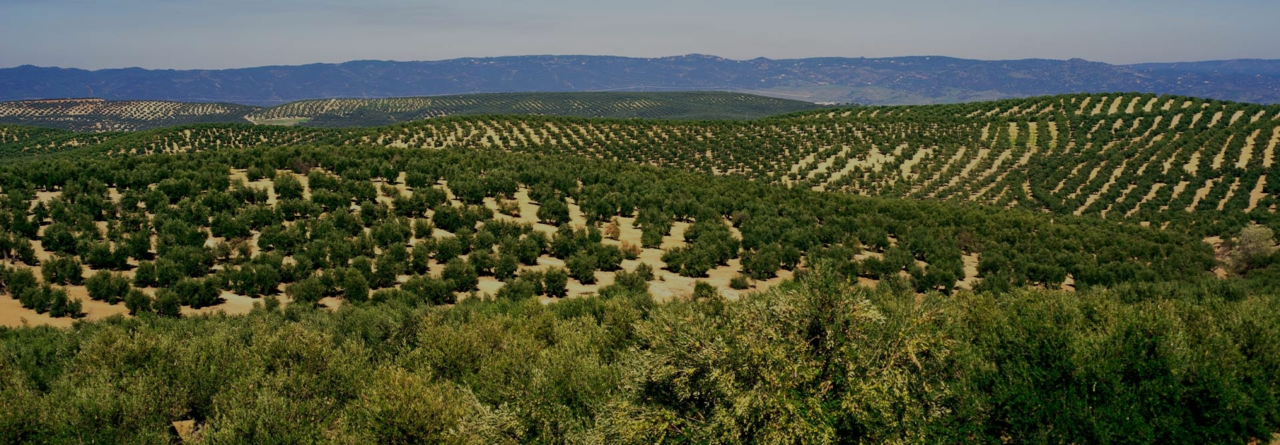
Olive trees are remarkably well suited to challenging environments. Their deep root systems and robust structure allow them to grow in rocky soils, cope with drought, and thrive in harsh conditions. This natural resilience means they generally require fewer inputs than many other crops.
Traditionally farmed olive groves often rely on low-intervention methods that have been passed down through generations — approaches that respect the land and help maintain local ecosystems.
Some of the environmental benefits olive trees naturally offer include:
- Soil protection and erosion control: Their roots help stabilise soil, particularly on hillsides and in drier landscapes.
- Carbon sequestration: As perennial trees, olives absorb carbon dioxide and store it in their wood, leaves, and surrounding soil.
- Support for biodiversity: Traditional groves often sit alongside wild herbs, flowers, insects, and small animals, encouraging a healthier balance in the landscape.
Sustainable Farming Practices in Olive Oil Production
So what makes olive oil such a good fit for sustainable farming? Much of it comes down to how olives are grown and processed.
Many producers now use:
- Drip irrigation systems to reduce water usage
- Natural ground cover to retain soil moisture and limit erosion
- Solar-powered mills and more energy-efficient production methods
There’s also a growing focus on reducing waste. Olive oil production creates by-products such as olive pomace and wastewater, which once posed environmental challenges. Today, these materials are increasingly repurposed — transformed into renewable energy, natural fertilisers, animal feed, and even cosmetic ingredients. Few crops can match the olive tree for this kind of efficiency.
Reducing Dependence on Animal Products
Olive oil is a natural alternative to animal-based fats such as butter, offering both versatility and nutritional benefits. It works across a wide range of dishes — from roasting and sautéing to salad dressings and baking — while bringing depth of flavour without the need for animal products.
For many people following plant-based diets, or simply looking to make more environmentally conscious choices, olive oil has become an everyday kitchen staple. It allows both traditional favourites and new recipes to be prepared with ease.
Substituting Butter with Olive Oil
Butter has long been a baking staple, particularly in desserts, but olive oil makes a surprisingly effective substitute. Many much-loved cakes and bakes can be made just as successfully using olive oil — often with excellent results.
Our Traditional Pecan Pie, for example, keeps all the familiar flavour you’d expect, thanks to La Española Olive Oil. Likewise, this Carrot Cake with Cream Cheese Frosting is made without butter, using our Light in Colour Olive Oil to keep it soft and balanced.

And if you’re keen to let olive oil take centre stage, this Coffee Cake recipe calls for La Española Extra Virgin Olive Oil, adding subtle fruitiness and a beautifully tender texture.
Towards a Greener Future
Every choice we make in the kitchen plays a small part in shaping the future of our food system. Olive oil’s deep agricultural roots, regenerative potential, and alignment with more sustainable farming practices make it a compelling option for those looking to cook more consciously.
Whether you’re exploring environmentally mindful recipes or simply enjoy a drizzle of extra virgin olive oil over your favourite dishes, it’s reassuring to know this ancient ingredient continues to support a greener, more resilient way of eating.
For more ideas, inspiration, and olive oil know-how, take a look through our blog.